Family Network Meetings: unlocking the strength of family support
Published by Alison Morris on

Family Network Meetings:
unlocking the strength of family support
By Tyler, Early Help Keyworker, Children’s Services Department .
As an Early Help Keyworker within a Level 3 team, I work closely with families who are facing a range of complex challenges. A big part of my role is building relationships and helping families find ways to move forward, especially when things feel stuck.
One approach that has really developed my practice recently is facilitating Family Network Meetings (FNMs). These bring together the people already around a family to look at what’s going on, and how they can help in a realistic and supportive way when those families are feeling stuck.
What I’ve learned through FNMs
When I first started learning about facilitating FNMs, I’ll be honest − I had a lot of reservations. I was unsure how I’d manage conflict, keep the conversation on track, and make sure it actually felt worthwhile for everyone involved, especially the child.
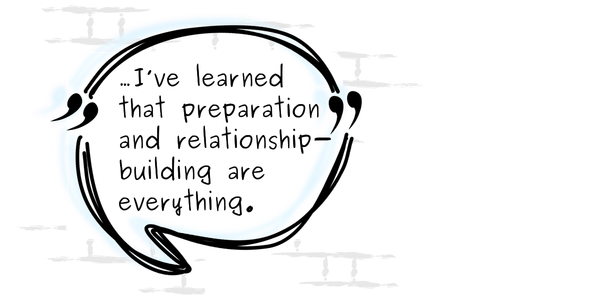
Through doing it, I’ve learned that preparation and relationship-building are everything. Taking the time beforehand to speak to the family, understand the worries, set expectations and make a plan, makes a huge difference.
Teamwork
When I was preparing for my first Family Network Meeting, the support from the team around me made a big difference. I had input from other keyworkers, as well as my senior and PM, and we had lots of open discussions around how it might look and what might come up. We talked through different scenarios, how I could manage challenges, and ways to keep the meeting running smoothly. Having that space to share ideas and plan properly gave me a lot more confidence going into my first FNM, and reassured me that I had the right support in place to facilitate the meeting and reflect on it afterwards.
What surprised me most
One of the biggest surprises has been just how much support is often already there − but not being used. I worked with one family who felt completely on their own and like things had reached a point of no return. The relationship between the child and carer had really broken down, and both felt stuck and unsure what to do next. When we explored their wider network, it was clear there were lots of people around them. But the family felt it was an “in-house” issue and didn’t feel able to ask for help.
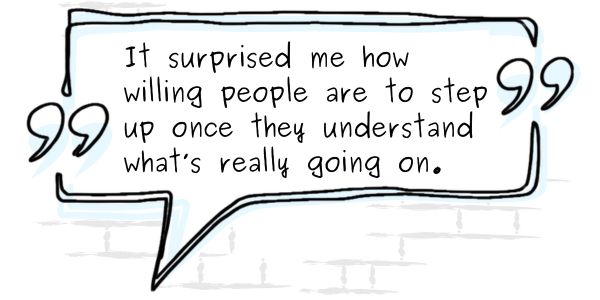
What stood out to me is that the barrier wasn’t a lack of care − it was a lack of communication and understanding. It surprised me how willing people are to step up once they understand what’s really going on. People often just don’t realise the day-to-day reality for the family.
A standout moment
During the Family Network Meeting with this family, there was a real shift. Family members started to hear what life was actually like in the home, and you could see that changed how they responded. Conversations became more open, and people began offering support in ways that felt manageable to them. Some offered practical help, like supporting with appointments so the carer didn’t have to miss work. Others offered to spend time with the child, plan activities or just check in regularly with the family unit.
Individually, these were small things. But together, they made a big difference. It reduced stress on the carer, helped ease worries around work and finances, and most importantly, started to rebuild relationships. The family said they felt heard, and they became more confident in reaching out for support themselves after the meeting.
The biggest impact for me was seeing the child be part of that process. Their voice was heard throughout, and they were able to say what mattered to them and who they wanted around them, in their own way and time. This was done through preparation conversations, genograms with carers, and child-led discussions around what family and support they would want.
How I approach FNMs now
Since then, I’ve really focused on being more relational and creative in how I prepare for FNMs and how I will hold these in the future.
Before the meeting, I spend time with the family building trust, understanding their views and helping them think about who they want involved. I also talk through any worries so there are no surprises on the day.
Using tools like Mind of My Own has made a big difference, especially in making sure the child’s voice is clear. It helps them say who they feel comfortable with and what they want from their family, which shapes the whole meeting.
During the meeting itself, I try to keep the space calm, respectful and focused. It’s about making sure everyone feels able to contribute, while also keeping things moving towards solutions.
Final reflection
The biggest thing I’ve taken from this is how powerful a family’s own network can be when it’s brought together in the right way.
As professionals we can support and guide, but the people around the family are the ones who are there day to day. When they feel included, informed and able to help − even in small ways − it can lead to real, lasting change.
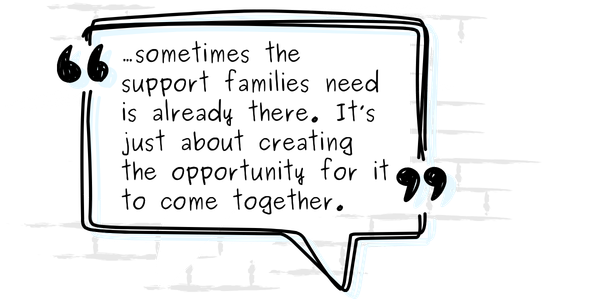
For me, FNMs have shown that sometimes the support families need is already there. It’s just about creating the opportunity for it to come together.
Single Source resources
- Family Network Meetings and Family Group Conference | ESCC Intranet − operational instructions.
- Family networks and kinship care | ESCC Intranet – operational instructions.
- Mind of My Own | ESCC Intranet – guidance and training.