Building trust through Family Help: a Social Worker’s perspective
Published by Alison Morris on

Building trust through Family Help: a Social Worker’s perspective
By Maddison, Eastbourne Family First Pilot
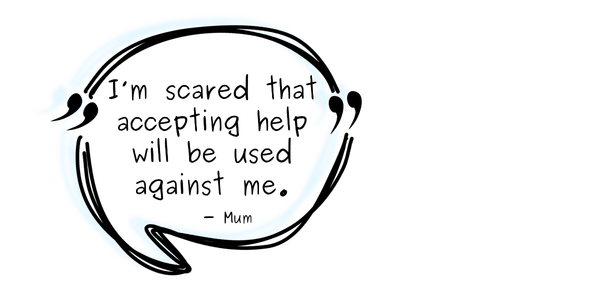
Those were the words of an apprehensive mum, who I met when she was expecting her first baby. She was wary of Children’s Services and unsure whether accepting support might be seen as a sign she couldn’t cope. We spent lots of time together during her pregnancy, and her trust in me grew as we got to know each other.
When the baby was born, I was able to offer practical support during those exhausting early weeks of caring for a newborn. Having someone she knew and trusted meant she could take time to rest and recover, and look after herself as well as her baby, knowing support was there when she needed it.
That experience reinforced something I see often: when families can build a relationship with one trusted worker from the start, they’re far more likely to engage with support. For me, that’s what Family Help is all about.
The power of staying connected
Before joining the Family First pilot nine months ago, I worked as a Social Worker in Eastbourne Family Support. While the move to Family Help was only to the other end of the office, there have been significant changes in how I work with families now. Family Help allows me to remain involved with families from assessment onwards, rather than creating additional stress for them by handing over to another team. There is greater continuity for families and a better opportunity for me to build meaningful and lasting relationships with them. I now work across a full age range of children and young people, as well, meaning that siblings are less likely to have different Social Workers. For families who need longer-term support, I know I’ll continue building my understanding over time.
Family Help has reinforced something I have always believed about social work: relationships matter. When I work with families throughout their journey, trust can develop more naturally. Difficult conversations become easier, support is more likely to be accepted and families don’t need to repeat their story. This approach aligns closely with Connected Practice, helping us to work collaboratively with families and focus on their strengths, needs and goals. I can really focus on what support each family actually needs. Sometimes that might be a short intervention, or a Family Network Meeting, which allows me to step away once needs have been addressed.
Helping families to strengthen existing support
An important part of my work has been using Family Network Meetings to help families identify and strengthen their support networks. These meetings create opportunities for families and wider networks to come together, recognise existing strengths and develop plans that help children remain safely within their family network wherever possible.
Not every family has a wider support network around them, and that can be challenging. When that’s the case, we look at what support we can build around the family instead, whether that’s involving other professionals, strengthening community connections, or helping families access services such as Family Hubs.
The realities of working differently
There are challenges. My caseload is definitely high, and because we’re working with families for longer, the turnover is lower than it was in my previous role. At the same time, I’ve found there’s more variety in my work, which helps to refresh my skills. The pace of work is different, but I still use the same prioritising skills as before. Supporting families for longer periods means balancing ongoing relationship-based work alongside new assessments, referrals and emerging risks, but the opportunity to see families’ journeys develop over time and to build stronger relationships has made those challenges worthwhile.
The relationship between Social Workers and Keyworkers has also been slightly different from my original expectations. While there is some joint working and visiting, we’ve found the roles have distinct responsibilities and strengths, with each bringing something different to supporting families. The transition has taken some adjustment, but I believe the benefits for families make it worthwhile.
Feeling heard and supported
One of the things that has made the pilot such a positive experience has been the support available from my manager. Reflective supervision and honest conversations mean that I’m always given the opportunity to give my views.
The managers leading the pilot have also been very present and approachable. They regularly spend time with the teams, listen to what we’re saying and are open to hearing what we’re thinking.
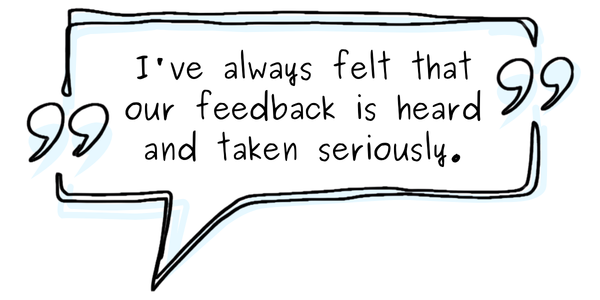
There are factors outside local control, but I’ve always felt that our feedback is heard and taken seriously. That openness helps us feel involved and supported as the Family First pilot continues to develop.
“You’ll find your feet”
If I was giving advice to Social Workers moving into Family First, I’d acknowledge that change is scary, and the unknown is scary, but you’ll find your feet and you will get there. I was apprehensive at the beginning, too. Change can feel daunting, but I can see that the Family First approach works and I do think it benefits families. Having one worker throughout a family’s journey helps build relationships and trust, and if that means that people are more willing to accept support so that we can eventually step away, then that’s a really positive outcome.
Changing perceptions of Children’s Services
A key lesson I have taken from the pilot is the power of changing perceptions of Children’s Services. The young woman I worked with was not alone in her concerns. Many families feel anxious or fearful about what Children’s Services represents. In reality, our role is to work alongside families to help them address concerns, build on their strengths and achieve positive outcomes for their children. We are not there to catch people out; we are there to support them to make lasting change.
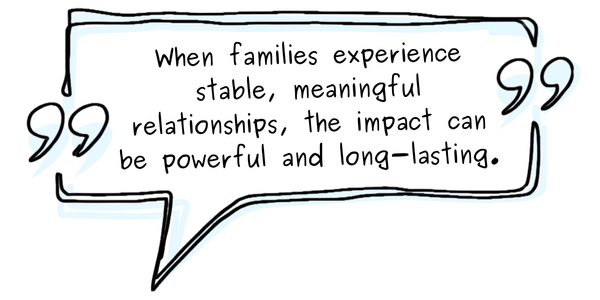
I’m hopeful about the opportunities Family Help creates for even closer multi-agency working and more connected support for families. Whilst Family Help continues to evolve, I have already seen the difference that continuity, trust and relationship-based practice can make. When families experience stable, meaningful relationships, the impact can be powerful and long-lasting.